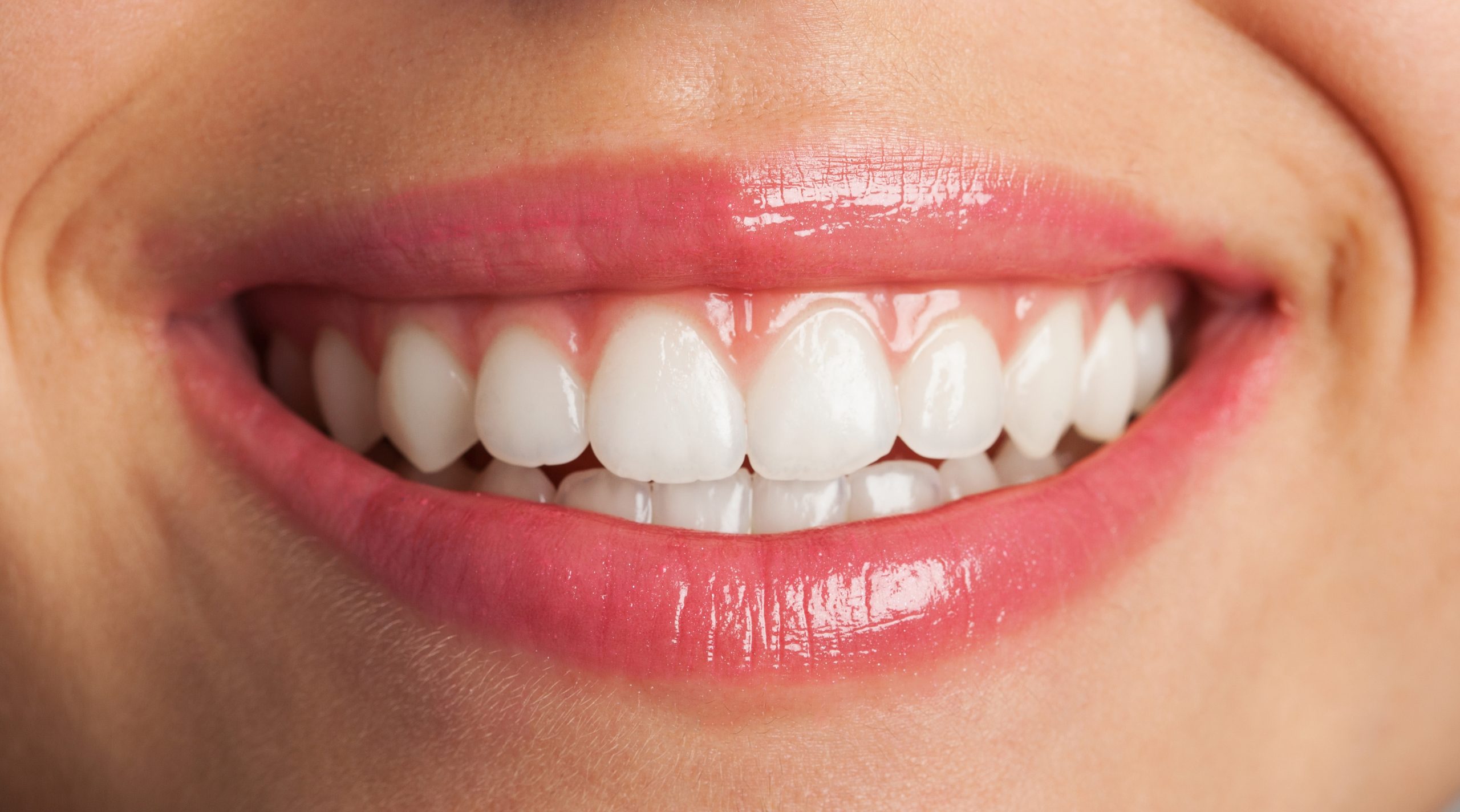
You have an event coming up, look at your smile in the mirror, and decide your teeth could be a little brighter. The next question is whether to pick up a whitening kit at the store or have your teeth professionally whitened. A dentist in Jupiter can first check what is causing the discolouration and whether whitening is suitable for your teeth. If you are considering teeth whitening in Jupiter, understanding how the two approaches differ can help you set realistic expectations.
How Do Store-Bought Whitening Products Work?
Whitening strips, gels, toothpastes, and trays are easy to find in pharmacies and supermarkets. Some contain peroxide-based whitening agents, while whitening toothpastes generally focus more on removing surface stains.
Results vary depending on the product, how consistently you use it, and the type of staining you have. Coffee, tea, red wine, tobacco, and ageing can all affect tooth colour, but not every type of discolouration responds equally well to whitening.
When comparing teeth whitening vs. whitening strips, convenience is one obvious difference. Strips can be used at home whenever it suits you, but they are designed as a general product rather than around your individual teeth and existing dental work.
What Is Different About Professional Whitening?
Professional treatment starts with your mouth, not with a box of whitening products. Your teeth and gums can be examined beforehand to check for cavities, gum irritation, exposed roots, or other concerns that might affect treatment.
One of the professional teeth whitening benefits is that treatment can be selected and supervised based on your oral health and whitening goals. Depending on the system used, whitening may take place in the dental office or involve professionally provided take-home trays.
The process also allows your progress and any sensitivity to be discussed with your dental team rather than leaving you to decide on your own whether a reaction is normal.
Which Option Gives More Noticeable Results?
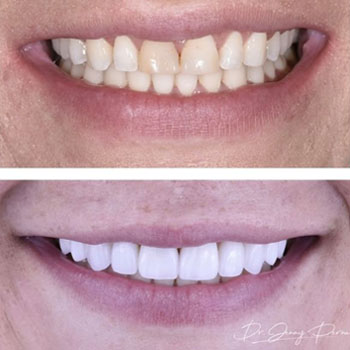
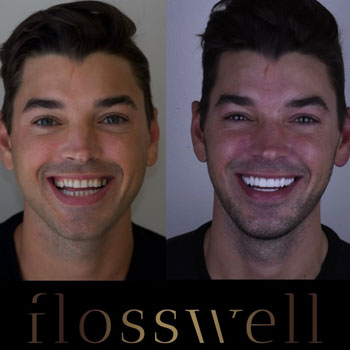
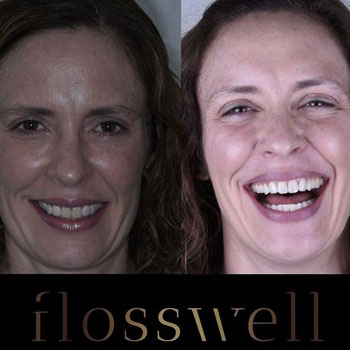
Professional whitening generally uses treatment protocols designed to produce a more controlled change in tooth colour. Store-bought products can also lighten some stains, but the degree of improvement may be more gradual or limited.
Your starting tooth colour matters. So does the reason your teeth look darker. Someone with surface staining from coffee may respond differently from someone whose tooth has changed colour following an injury.
Those of you looking for a dental office near you should consider having persistent or unusual discolouration assessed before trying to cover it up with repeated whitening. A single tooth that suddenly looks darker than the others, for example, may need closer examination.
What About Tooth Sensitivity?
Sensitivity can occur with both professional and over-the-counter whitening. You may notice temporary discomfort when drinking something cold or breathing in cool air.
Using more whitening product or leaving it on longer than directed does not necessarily produce a better result. It can increase the likelihood of sensitivity or gum irritation instead.
If you already have sensitive teeth, tell your dentist before treatment. The cause of the sensitivity can be assessed, and you can discuss whether whitening is appropriate for you.
How Long Will Whitening Last?
Neither professional nor store-bought whitening permanently prevents new stains. Your diet, smoking habits, oral hygiene, and natural changes in your teeth can all affect how long you maintain the lighter appearance.
Coffee and tea do not necessarily have to disappear from your life, but frequent exposure to strongly coloured foods and drinks can contribute to staining over time. Good brushing habits and regular professional cleanings can also help control surface buildup.
How often whitening can safely be repeated depends on the product and your individual circumstances, so avoid assuming that more frequent treatment is always better.
What If Whitening Does Not Work on My Teeth?
Whitening products work on natural tooth structure. They do not lighten fillings, crowns, or veneers, which can become important if you have restorations in visible areas.
Some intrinsic stains or cosmetic concerns may also respond poorly to whitening. In suitable cases, porcelain veneers in Jupiter may be discussed as an alternative because veneers cover the front surface of selected teeth rather than attempting to bleach the underlying discolouration.
Veneers involve a very different treatment process and are not simply a stronger form of whitening. Your dentist can explain whether they make sense for the concern you want to address.
Convenience Matters Too
Your choice may partly come down to how much guidance you want during the process. Store-bought products offer the convenience of whitening entirely on your own schedule. Professional treatment includes an assessment and a plan based on your teeth.
If you need a dentist near Sims Creek, it may be worth considering how easily you can fit an appointment into your regular routine rather than choosing a whitening method based solely on convenience.
The same applies if you are searching for a dentist near Jupiter Village. Having your teeth assessed first gives you an opportunity to ask what kind of improvement is realistic before spending time and money on treatment.
Choose Whitening Based on Your Smile
There is no reason to guess which whitening product will work for you. The type of staining, condition of your teeth and gums, existing restorations, sensitivity, and the result you want can all influence your options.
Contact Flosswell Dental to schedule an appointment with us. We can assess your smile, listen to what you would like to change, and discuss cosmetic options that fit your individual needs.
Frequently Asked Question
Can teeth whitening cause sensitivity?
Yes. Both professional and store-bought whitening products can cause temporary tooth sensitivity. Using more product or leaving it on longer than directed may increase the risk of sensitivity or gum irritation.
How long do teeth whitening results last?
Whitening results are not permanent. Your diet, oral hygiene, smoking habits, and natural changes in your teeth can affect how long your smile stays lighter. Regular oral care can help maintain the results.
Does teeth whitening work on crowns, fillings, or veneers?
No. Whitening products lighten natural tooth structure but do not change the colour of crowns, fillings, or veneers. This can be important when visible restorations are present.
Is it safe to whiten my teeth frequently?
More frequent whitening is not necessarily better. How often treatment can safely be repeated depends on the product and your individual oral health. Following the product instructions or your dentist’s recommendations can help reduce the risk of sensitivity and irritation.