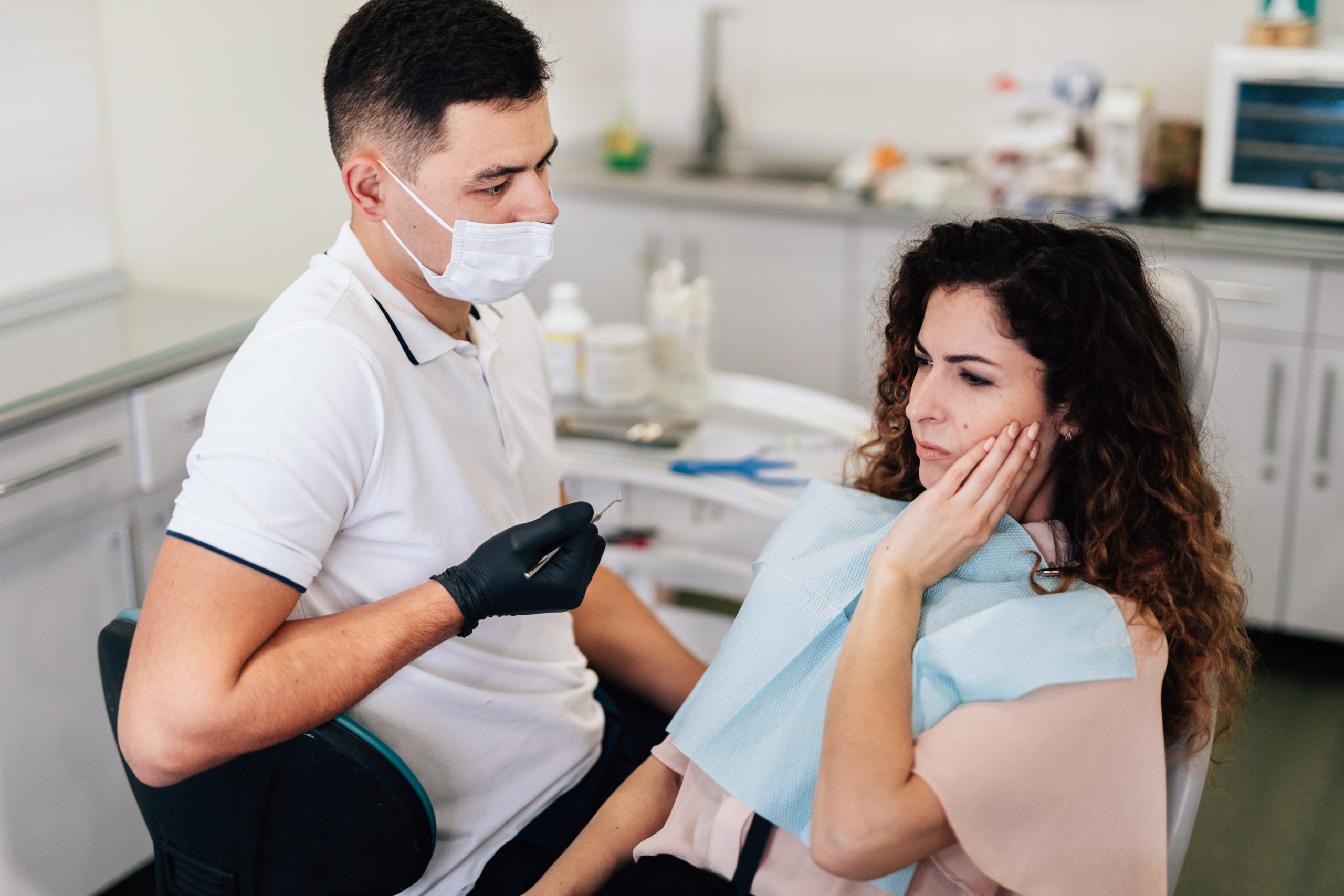
Can Botox help ease jaw pain and reduce teeth grinding? In some cases, Botox may help relax overly active jaw muscles and lessen muscle-related discomfort caused by clenching or grinding. TMJ treatment in Jupiter can include different options based on the cause and severity of the symptoms.
Botox is not the right choice for everyone with TMJ concerns. A dental evaluation can help identify what may be causing the jaw pain and determine whether Botox or another treatment may be a suitable option.
What Is TMJ and What Causes Jaw Pain?
TMJ refers to the joints and muscles that help the jaw move when talking, eating, and opening the mouth. Problems affecting these areas can lead to pain, stiffness, or difficulty moving the jaw.
Common symptoms include:
- Jaw pain or tenderness
- Pain near the ears or temples
- Clicking or popping sounds when moving the jaw
- Headaches
- Jaw stiffness
- Difficulty opening or closing the mouth
- Teeth grinding or clenching
- Worn or damaged teeth
TMJ symptoms can have different causes. Teeth grinding, jaw clenching, stress, injury, and problems with the jaw joint may all play a role.
How Can Botox Help With Jaw Pain?
So, how Botox helps jaw pain depends on why the muscles are causing discomfort. Botox is injected into specific jaw muscles to reduce their activity for a period of time.
When jaw muscles are working too hard from frequent clenching or grinding, reducing their activity may help lower muscle tension and related pain.
Botox may help with:
- Jaw muscle tension
- Pain linked to muscle overactivity
- Frequent jaw clenching
- Some cases of teeth grinding.
- Headaches related to tight jaw muscles
Botox does not repair damage inside the jaw joint or correct every cause of TMJ pain. A proper assessment is needed to determine whether the symptoms are mainly related to muscle activity or another problem.
Can Botox Reduce Teeth Grinding?
Teeth grinding, also called bruxism, can place extra pressure on the teeth and jaw muscles. Frequent grinding may lead to sore jaw muscles, headaches, tooth wear, or sensitivity.
Botox for TMJ may reduce the strength of muscle contractions involved in grinding. This can make grinding less forceful in some patients.
However, Botox does not necessarily stop the habit completely. Teeth grinding can have several causes, so treatment may also involve other approaches.
What Other TMJ Treatments May Help?
Botox is only one possible approach. Treatment depends on the cause and severity of the symptoms.
Other options may include:
- A custom night guard to protect teeth from grinding
- Changes to habits that place extra strain on the jaw
- Jaw exercises or physical therapy when appropriate
- Pain management options
- Stress-management techniques
- Treatment for dental problems that contribute to discomfort
- Further evaluation when joint problems are suspected
A dental office near you can help determine which options may be suitable based on the symptoms and findings from an examination.
What Are the Possible Benefits and Limitations of Botox?
Botox may offer relief for some patients, but results can vary. The effect is temporary, and repeat treatment may be needed if it is considered appropriate.
Possible benefits may include:
- Reduced jaw muscle tension
- Less force from clenching
- Reduced muscle-related jaw discomfort
- Possible improvement in some grinding-related symptoms
There are also limitations. Botox does not address every cause of TMJ pain, and it may not be appropriate when symptoms mainly come from problems inside the jaw joint.
A dental professional at a dental office in Jupiter should explain the expected benefits, possible side effects, and other treatment choices before treatment begins.
Take the Next Step for Better Jaw Comfort!
Could Botox be a suitable option for jaw pain or teeth grinding? The right treatment depends on the cause of the symptoms, the condition of the jaw and teeth, and the level of muscle activity. An evaluation can help determine whether Botox or another TMJ treatment may be appropriate.
For guidance about jaw pain, teeth grinding, and available treatment options, book a consultation with Flosswell Dental to discuss the symptoms and receive a treatment plan based on individual needs.
FAQs
Does Botox completely stop teeth grinding?
No. Botox may reduce jaw muscle activity and make grinding less forceful. It does not always stop grinding or treat its cause.
How long does Botox for TMJ last?
Botox effects are temporary and can vary from person to person. Your dental professional can explain what to expect.
Is Botox used for jaw joint problems?
Botox mainly works on the muscles. It does not fix problems inside the jaw joint, so other treatment may be needed.
Can Botox help with headaches from jaw tension?
It may help if tight or overactive jaw muscles are causing the headaches. Since headaches can have many causes, an evaluation is important.