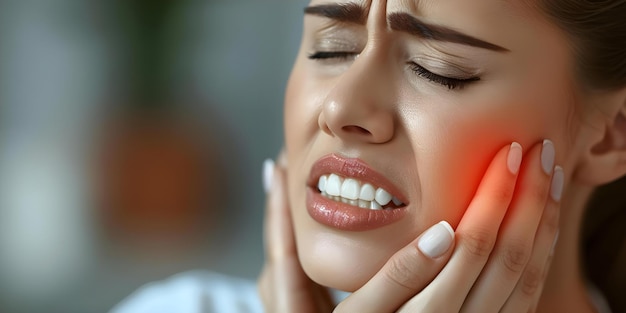
Why does jaw pain sometimes feel the same despite differing causes? Because more than one problem may be involved, jaw discomfort may be confusing. Various patients searching for TMJ treatment in Jupiter often find that having discomfort in the jaw is due to either TMJ disorder or teeth grinding. The jaw is affected by both conditions, but they are distinct and require different strategies for proper care.
Understanding the difference helps identify the real cause of pain and guides the right treatment plan, making it easier to find lasting relief and improve daily comfort.
What Is TMJ Disorder?
TMJ disorder affects the temporomandibular joint, which connects the jaw to the skull. This joint is used every time a person speaks, chews, or yawns. When irritated or misaligned, it can cause pain and discomfort.
Common signs include:
- Jaw clicking or popping.
- Pain while chewing
- Limited jaw movement
- Headaches near the temples
- Ear discomfort
What Is Teeth Grinding (Bruxism)?
Teeth grinding, also known as bruxism, usually occurs during sleep or under stress. It involves clenching or grinding the teeth without realizing it.
Signs of teeth grinding include:
- Worn-down teeth
- Jaw tightness in the morning
- Tooth sensitivity
- Facial muscle soreness
- Interrupted sleep
Many patients who are searching for a dentist in Jupiter first notice these symptoms before understanding the real cause.
TMJ vs Teeth Grinding: Key Differences
Although both conditions may cause jaw pain, they have different causes.
TMJ Disorder:
- Affects the jaw joint itself.
- Creates clicking and maneuvering problems.
- It could occur after joint injury or stress.
Teeth Grinding:
- Affects teeth and jaw muscles
- Often linked to stress or sleep habits.
- Leads to tooth wear and muscle fatigue
A proper diagnosis is important to avoid confusion between the two.
How Is Jaw Pain Diagnosed?
Dentists evaluate jaw pain by checking:
- Jaw movement and alignment
- Tooth wear patterns
- Muscle tenderness
- Joint sounds like clicking
- Patient’s sleep and stress habits
A TMJ treatment near you may begin with a detailed examination to identify whether the issue is joint-related or muscle-related.
Can Teeth Grinding Cause TMJ Problems?
Yes, grinding teeth for a long time puts unnecessary, repeated pressure on the jaw joint. If you do it a lot, it may eventually strain the temporomandibular joint, leading to TMJ pain. It can worsen existing jaw problems and, in some cases, make the jaw stiffer and more painful.
That’s why it is important to be attentive early. Recognizing and addressing grinding problems early on eases pressure on the jaw. Furthermore, it prevents damage and promotes healthier jaw functioning.
Treatment Options for Jaw Pain
Treatment depends on the exact cause of the pain.
Common options include:
- Custom mouthguards for grinding
- Jaw relaxation exercises
- Stress management techniques
- Bite correction
- Pain relief therapies
A non-surgical TMJ treatment in Jupiter for jaw pain relief is often recommended first before considering more advanced procedures.
How TMJ and Bruxism Affect Daily Life
If left untreated, both conditions can affect everyday activities such as:
- Eating comfortably
- Sleeping well
- Speaking clearly
- Concentrating without discomfort
- Overall facial comfort
Early care helps reduce these challenges and improve the quality of life.
When to Seek Professional Help
Jaw pain should not be ignored if it lasts for several days, gets worse, or makes it hard to eat, speak, or sleep. Ongoing pain may indicate a deeper problem, and waiting too long can make it worse.
A proper check-up can help identify the exact cause of the pain and guide appropriate treatment. You should visit a dental office near you for a full check-up, early diagnosis, and care to help improve comfort and protect long-term jaw health.
Finding the Right Path to Jaw Comfort!
Jaw pain caused by TMJ problems or teeth grinding should not be ignored. Both can affect your daily comfort, jaw movement, and quality of life. They have different causes, but they are often linked and can get worse without treatment. With the right diagnosis and timely care, long-term relief is possible, and normal jaw function can be improved. Book a consultation today at Flosswell Dental for a check-up, clear advice, and treatment options that fit your needs.
FAQs
How is TMJ pain different from teeth grinding pain?
TMJ pain is assessed by examining jaw movement and clicking sounds. Teeth grinding (bruxism) is noticed through worn teeth, tight jaw muscles, and signs of grinding.
Can teeth grinding cause TMJ problems?
Yes. Regular grinding can put extra pressure on the jaw joint and may lead to TMJ pain or make it worse over time.
What treatments help TMJ and teeth grinding pain?
Treatments may include mouthguards, stress-relief methods, bite correction, relaxation exercises, and jaw-support therapies, depending on the problem.
Can jaw pain go away on its own?
Mild pain may improve for a short time, but ongoing jaw pain usually needs a dentist’s check to stop it from getting worse.